


Share

‘No’ on Impeachment Unites Today’s GOP. In the 1950s, a Renegade Dared to Break Ranks: Mini Lesson | Retro Report
6th Grade – 8th Grade
9th Grade – 12th Grade
English
Under the two-party system in the United States, voting against one’s own party can have severe consequences for one’s political future. Republican members of Congress united behind President Donald Trump in the first impeachment proceedings against him, on charges of abuse of power and obstruction of Congress, and he was acquitted by the Republican-majority Senate.
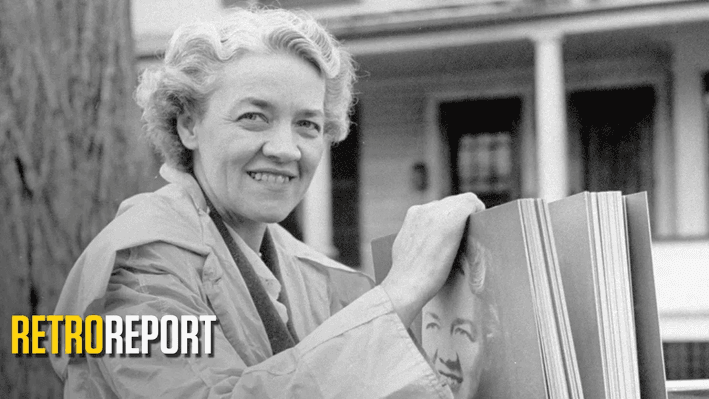
A few years later, 10 Republican representatives voted with all Democrats and Independents for a second impeachment on charges of inciting an insurrection; at the trial, seven Republican senators voted for conviction. (Trump was again acquitted.) Those renegade Republicans were following in the footsteps of Senator Margaret Chase Smith, a Maine Republican, who went against the majority of her party to speak out against McCarthyism in the 1950s.