


Share

The Daguerreotype and Abolitionism | North to Freedom
6th Grade – 8th Grade
9th Grade – 12th Grade
English
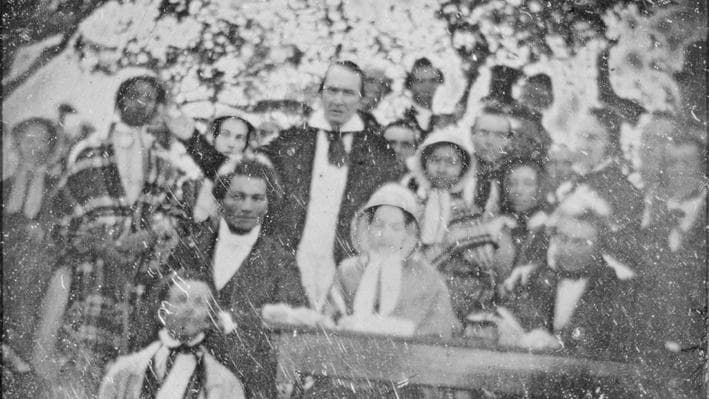
Explore photography’s influence on social change with this resource on the role of the daguerreotype in the abolitionist movement. See how early photography, particularly Ezra Greenleaf Weld’s image of the 1850 Fugitive Slave Convention, shaped public perception and contributed to historical documentation. Through analyzing the image’s context and composition, discover how photography can serve as both an art form and a tool for activism. Examine how visual media influences social movements and gain a deeper understanding of the ethical considerations and emotional power behind using photography to drive social change. This exploration provides insight into how images can challenge societal norms and inspire action, while providing an opportunity to refine the ability to evaluate and critique visual storytelling.