


Share

The Townshend Acts | The Shot Heard ’Round the World
9th Grade – 12th Grade
English
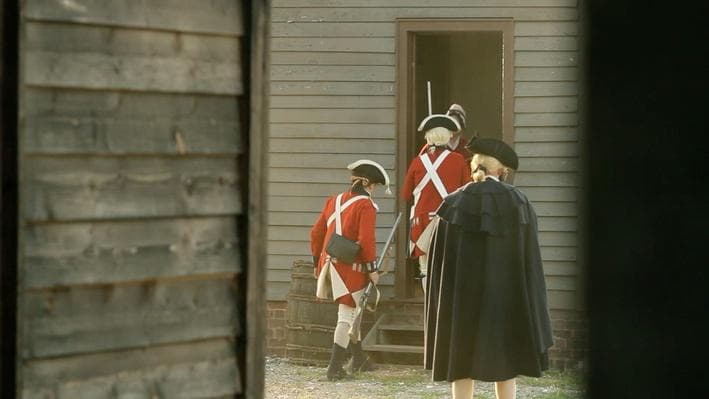
The year after the Stamp Act was repealed, new taxes were imposed on the colonies and demands were made for colonies to pay for quartering British soldiers. In 1767, Charles Townshend, Britain’s Chancellor of the Exchequer, demanded enforcement of the Quartering Act, which required the colonies to pay for housing British soldiers. When New York refused, the royal governor suspended the state’s legislature.
Townshend also persuaded the British Parliament to enact taxes on lead, glass, paper, paint, and tea that the colonies imported from Great Britain. A new American Board of Customs Commissioners was to enforce the tax collection. Lawyer John Dickinson protested with “Letters From a Farmer in Pennsylvania.” In 1768, Massachusetts assemblymen James Otis Jr. and Samuel Adams led resistance to the taxes with a circular letter approved by the Massachusetts Assembly and sent to all colonial legislatures.
As students watch the video, they consider how colonial newspapers affected colonial resistance to taxes.